Stranger Than Heaven Timeline: All 5 Eras and Cities Explained
Stranger Than Heaven unfolds across five eras between 1915 and 1965, each set in a different Japanese city. The journey begins in industrial Kokura and ends in Kamurocho, the iconic district long associated with the Like a Dragon series.
The five eras and cities
- 1915
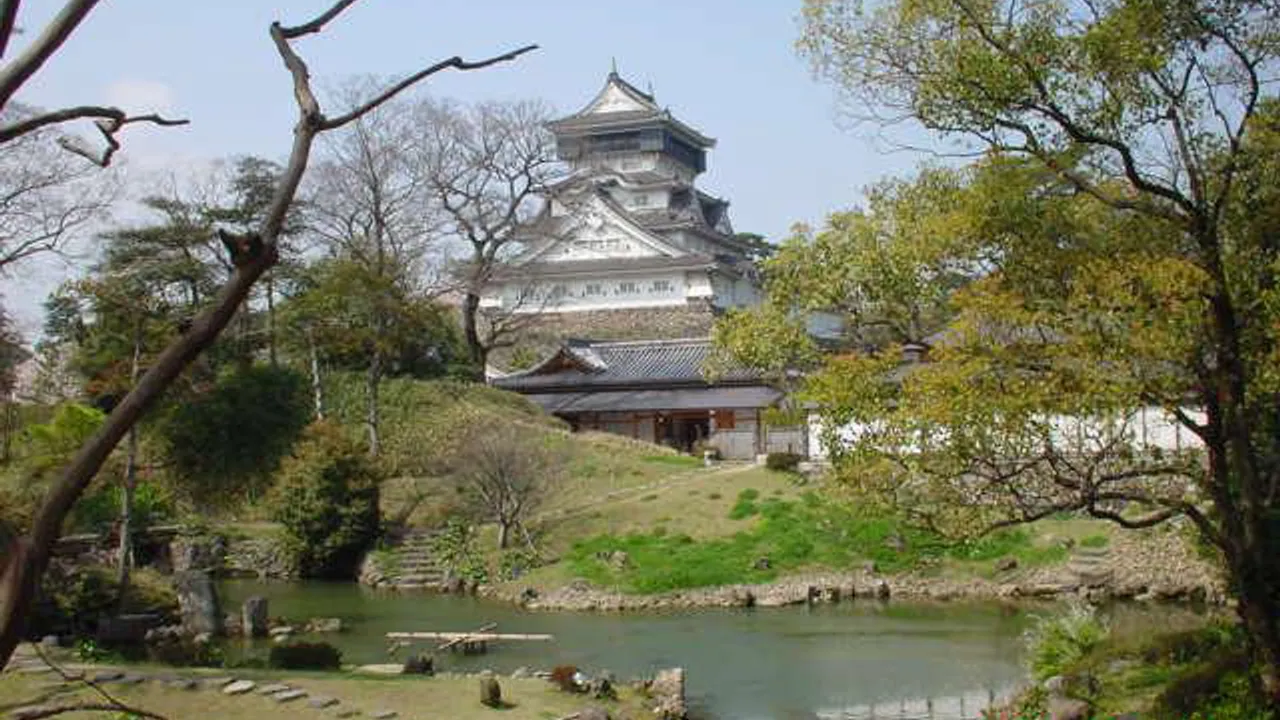
Kokura, Fukuoka today Kokura Fukuoka
An industrial town in western Japan, home to one of the world’s largest foundries — a smoky place humming with energetic workers.
- 1929
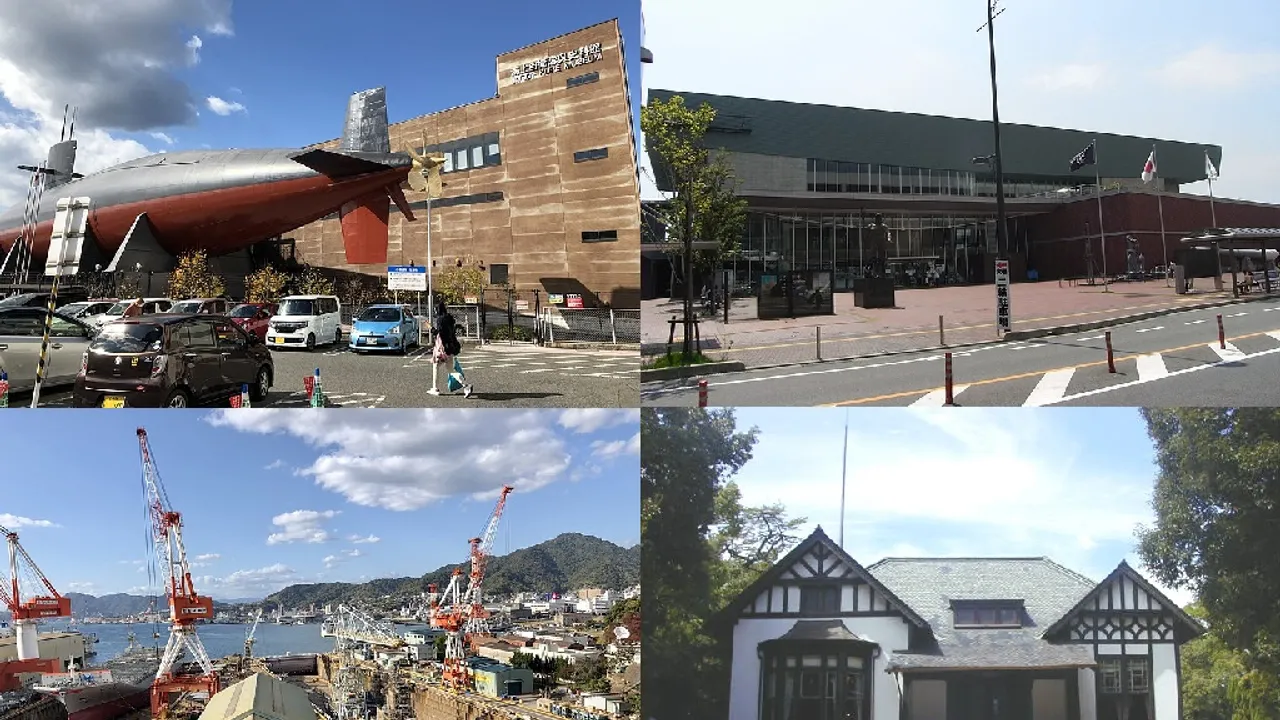
Kure, Hiroshima today Kure Hiroshima
A port town built on shipbuilding and heavy industry that served as a social hub.
- 1943
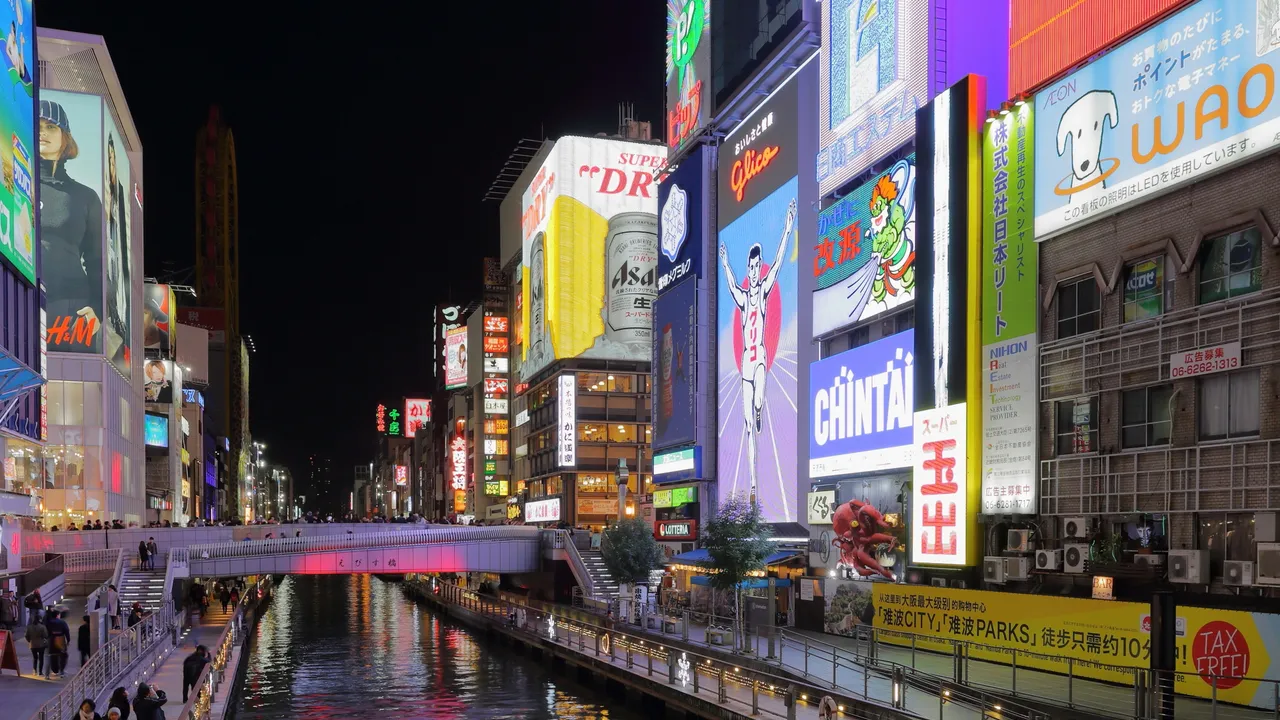
Dōtonbori, Minami, Osaka today Minami Osaka
One of Japan’s major entertainment districts.
- 1951
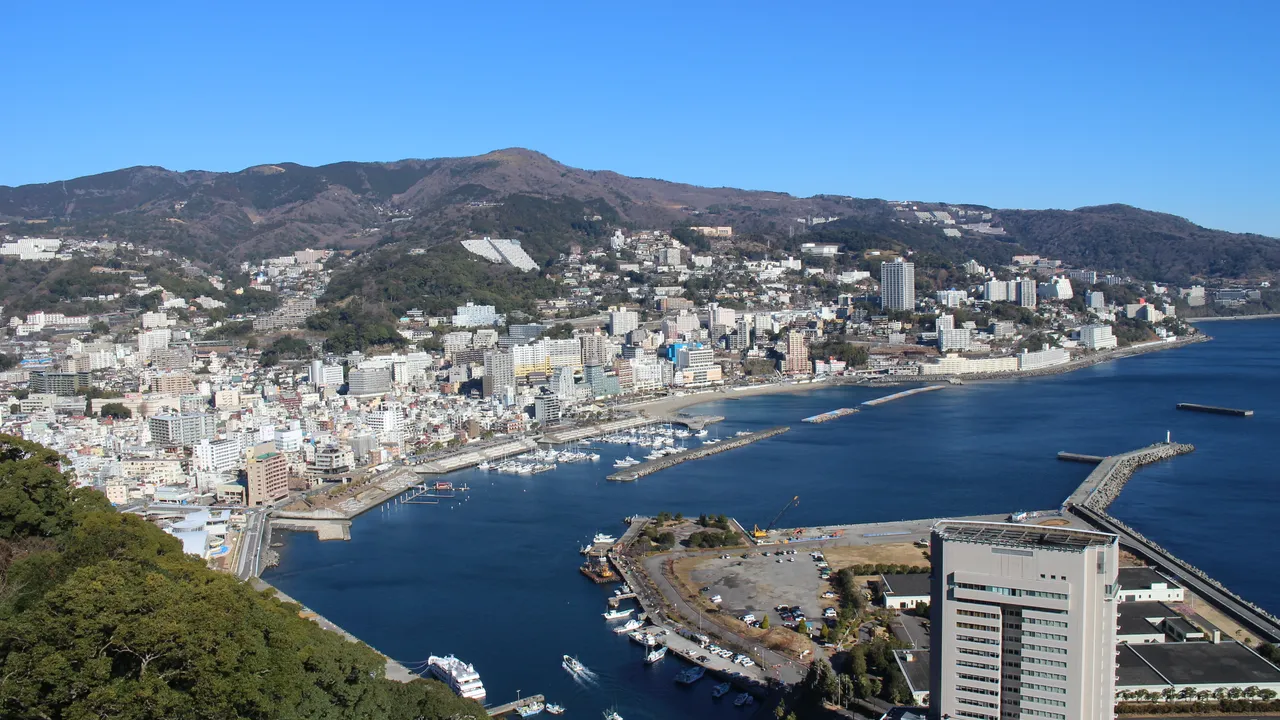
Atami, Shizuoka today Atami Shizuoka
A famous hot-spring resort and tourist destination.
- 1965
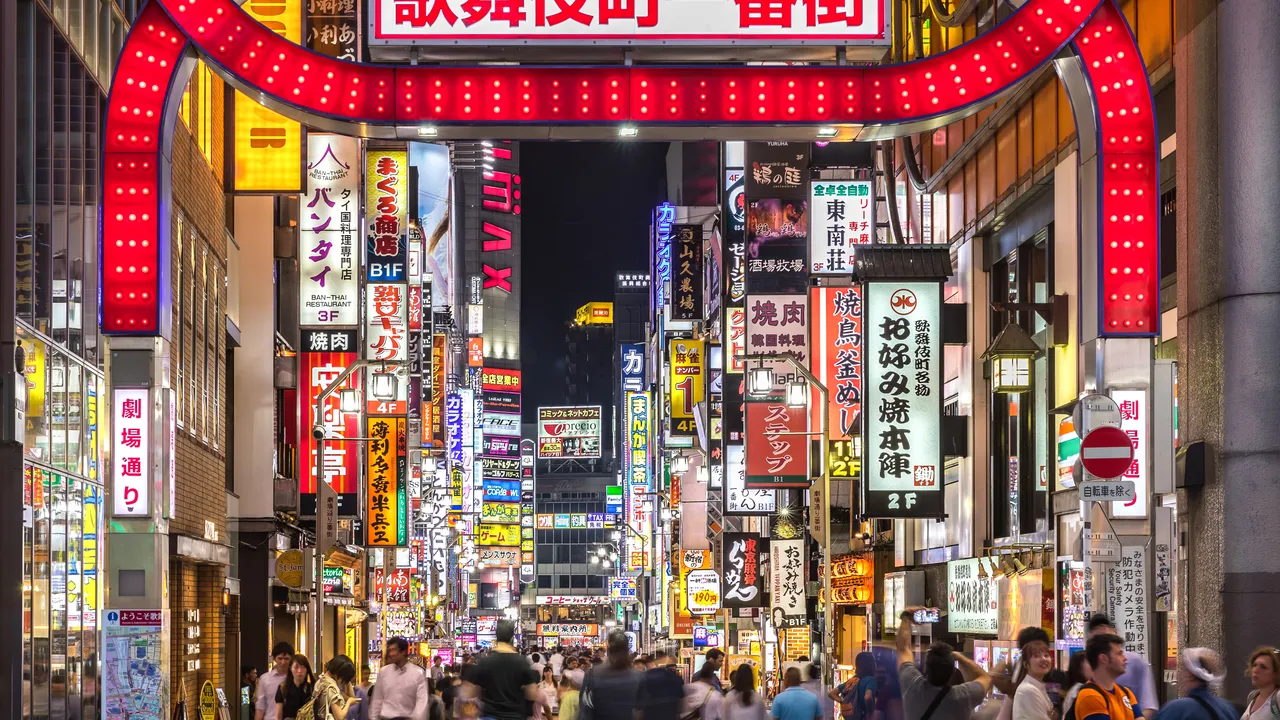
Kabukichō, Shinjuku (the real Kamurochō) today Kamurochō Shinjuku, Tokyo
The series’ iconic map returns — and the story comes to a close here.
Why Kamurocho matters
Kamurocho is the fictional Tokyo entertainment district at the heart of the Yakuza / Like a Dragon series. Its appearance as the 1965 finale is a direct link to that universe and one reason the game is read as an origin story for the wider series.
A 50-year saga
Spanning half a century, the story follows protagonist Makoto Daito as the eras shift around him. Specific plot threads for the middle eras have not been fully detailed yet; this page will be expanded as SEGA reveals more about each time period.
Frequently Asked Questions
- How many eras are in Stranger Than Heaven?
- Five — set in 1915, 1929, 1943, 1951, and 1965.
- Does Stranger Than Heaven take place in Kamurocho?
- Yes. The 1965 era returns to Kamurocho, the iconic district from the Like a Dragon series, where the story concludes.
Image Credits
Photos are used under their respective licenses via Wikimedia Commons. This site uses no official SEGA or RGG Studio artwork.
- Kokura, Fukuoka — Photo by Historia, CC BY 2.5 (source)
- Kure, Hiroshima — Photo by 水だらけのプール, CC BY-SA 4.0 (source)
- Dōtonbori, Osaka — Photo by Martin Falbisoner, CC BY-SA 4.0 (source)
- Atami, Shizuoka — Photo by Suicasmo, CC BY-SA 4.0 (source)
- Kabukichō / Kamurochō, Tokyo — Photo by Basile Morin, CC BY-SA 4.0 (source)


